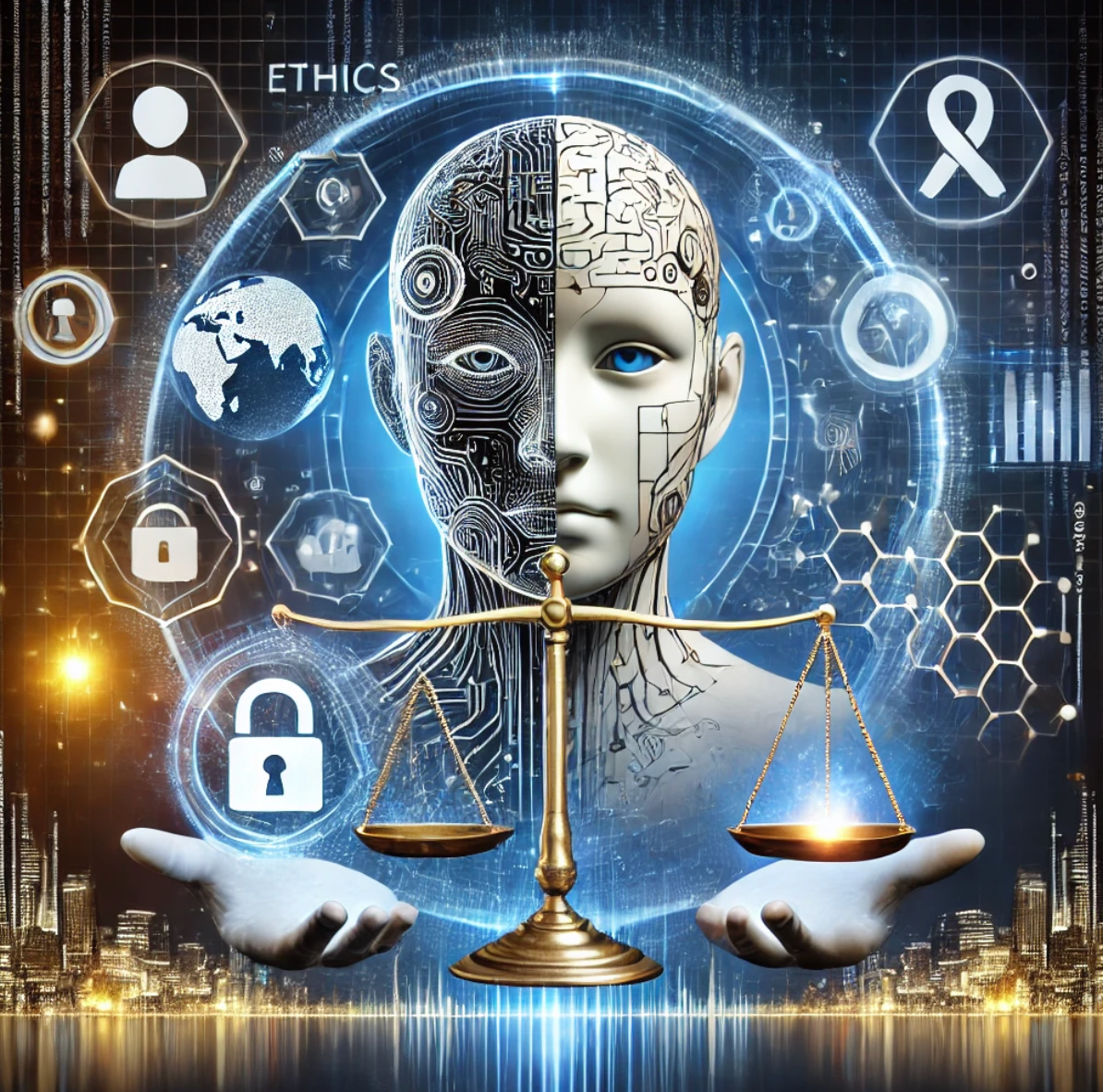
The Role of Human Oversight in AI Use
As AI tools become more capable, it can be tempting to rely on them without much supervision.
Automation can save time, reduce workload, and surface insights quickly. But removing humans entirely from the process can introduce hidden risks.
Human oversight means having someone responsible for reviewing, interpreting and acting on AI outputs. It includes asking whether the output makes sense, whether it aligns with context and whether additional information is needed before acting.
No AI system can fully capture the nuance of human values, ethical considerations, or situational judgement. Humans provide context that data alone cannot. They also carry responsibility for outcomes, something AI systems cannot do.
In practice, effective AI use often involves collaboration: AI handles pattern recognition and speed, while humans handle judgment, ethics, and accountability. This partnership approach allows organizations and individuals to benefit from AI while maintaining control and responsibility.
Disclosure:
This content was originally created by a human author and refined with the assistance of artificial intelligence. AI was used solely as a tool to improve clarity and readability; all ideas, intent, and final judgment remain human-led.
Clear Thinking on AI