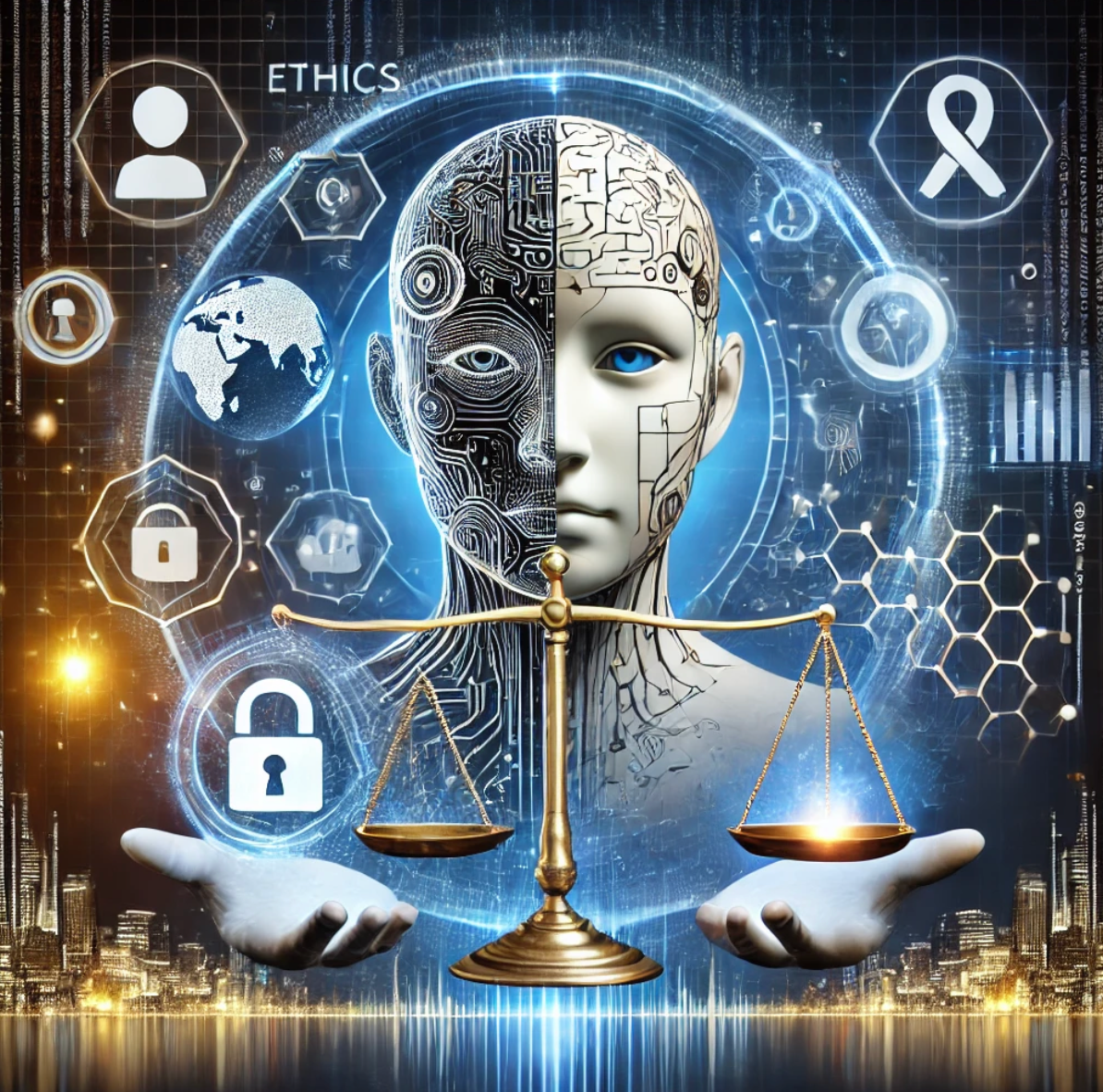
AI Is a Tool, Not a Decision-Maker

AI tools are often described using language that sounds very human. We hear phrases like “the system decided,” “the model recommends,” or “AI chose the best option.” While this language is convenient, it can quietly blur an important line.
AI does not make decisions in the way people do. It does not weigh values, understand consequences, or take responsibility for outcomes. Instead, it generates outputs based on patterns in data and the objectives it has been given. What looks like a decision is really a calculated response shaped by prior examples.
Human decisions, on the other hand, are shaped by context, experience, and judgment. They involve trade-offs that go beyond what data alone can capture. When AI outputs are treated as final decisions rather than inputs, it becomes easy to overlook errors or misunderstand limitations, and as a result, responsibility can become unclear.
Using AI well means being deliberate about its role. AI can help surface information, identify patterns, or suggest possible directions. But it still requires a human to interpret those outputs, ask critical questions, and decide what action makes sense.
Keeping this boundary clear helps ensure that AI supports better decision-making rather than quietly replacing it. When AI remains a tool and humans remain accountable, it becomes far more useful and far less risky.
Disclosure:
This content was originally created by a human author and refined with the assistance of artificial intelligence. AI was used solely as a tool to improve clarity and readability; all ideas, intent, and final judgment remain human-led.
Clear Thinking on AI