Understanding Artificial Intelligence

What AI is and What it isn't!
Artificial intelligence refers to systems designed to perform tasks that usually involve human judgment, such as recognizing patterns, generating text, or summarizing information. At its core, AI works by learning patterns from data and using those patterns to produce results.
This often leads to an important question: what is not AI?
The answer is simple: AI is not general human intelligence. It does not understand meaning, intent, or context the way people do. It does not reason independently, and it does not possess awareness in any human sense. AI operates strictly within the boundaries of its design, the data it was trained on, and the instructions it receives.
You might wonder why this distinction matters. It matters because failing to recognize it can lead us to treat AI as something it is not. AI is meant to be a tool, not a thinking entity. When we understand this clearly, we are better equipped to use AI responsibly, make sound decisions, and avoid placing unrealistic expectations on what it can do.
Common Myths About AI
Over the past few years, I’ve taken part in many conversations about AI that are shaped more by exaggeration than understanding. One common myth I often encounter is the idea that AI is a human-like entity that “thinks” or “knows” things in the same way people do. In reality, AI systems generate outputs by identifying patterns in data, not by understanding meaning or intent.
Another frequent misconception is that AI is always objective. Because AI systems reflect the data they are trained on, they can inherit bias and replicate existing errors. They can also produce responses that sound confident while still being incorrect.
Recognizing these myths helps professionals approach AI with greater clarity, allowing them to move past hype and use these tools more thoughtfully and responsibly.
How to Evaluate AI tools Responsibly
Evaluating an AI tool should always begin with understanding its purpose. What problem is it meant to solve, and in what context will it be used? A thoughtful evaluation focuses on whether a tool is suitable for the task, not on how new or impressive it appears.
It’s also important to consider limitations, transparency, and potential risk. Instead of being drawn to advanced features, we should ask practical questions about data sources, how errors are handled, and what role human oversight plays. These considerations often matter far more than technical sophistication when deciding whether an AI tool is truly useful.
The Limits and Risks of AI
AI systems can be powerful, but they are not reliable in every situation. They may generate incorrect information, reflect bias, or perform poorly when used outside familiar contexts. These limitations are not unusual, they are a natural part of how current AI systems work.
Risks increase when AI outputs are accepted without question or when systems are used without appropriate human oversight. Over-reliance on AI can lead to poor decisions or unintended consequences.
Understanding these limits is essential for using AI responsibly.
Responsible use of AI
Responsible use begins with recognizing when AI is helpful and when it is not. Not every task benefits from automation, and not every decision should rely on algorithmic output.
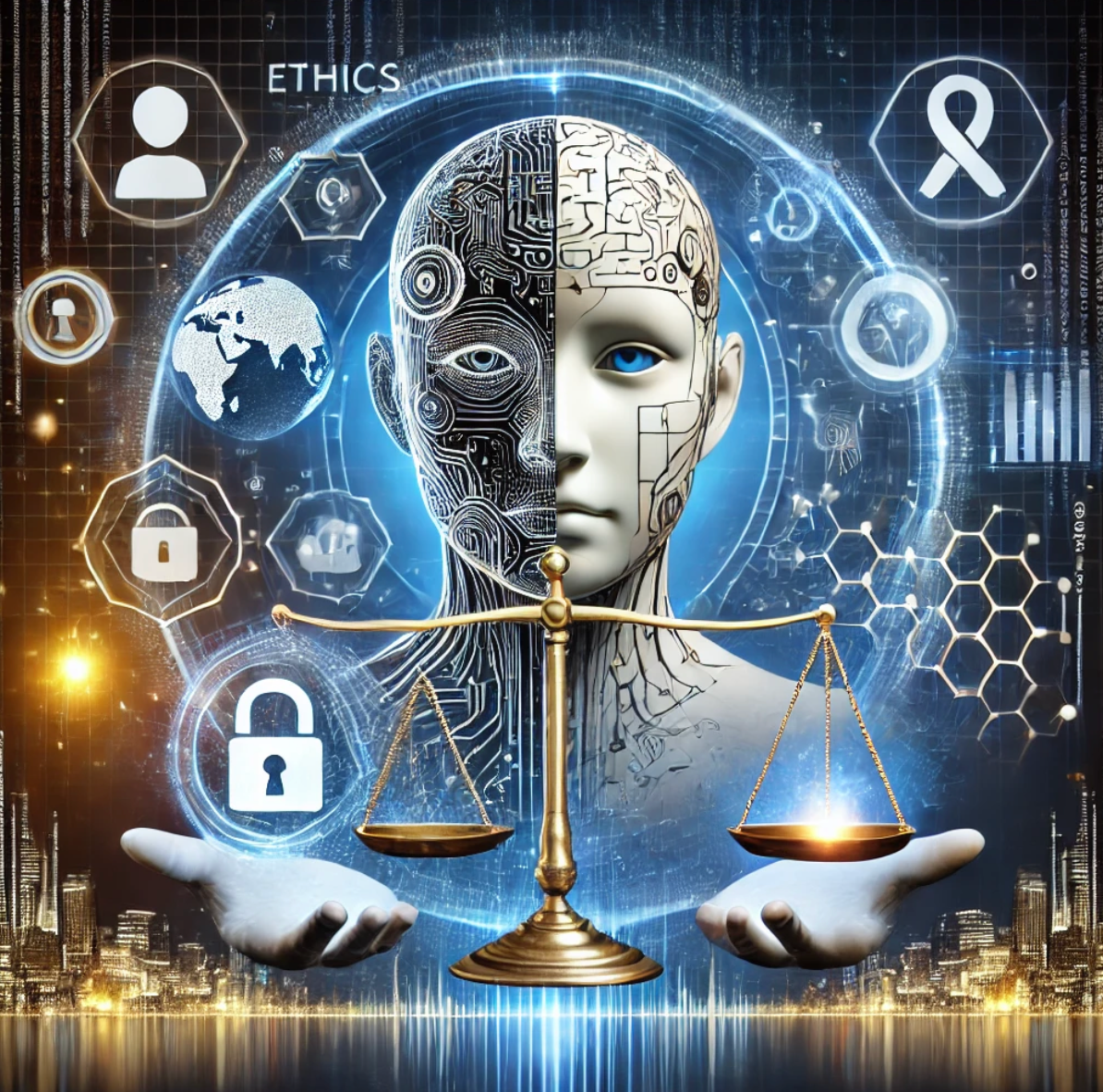
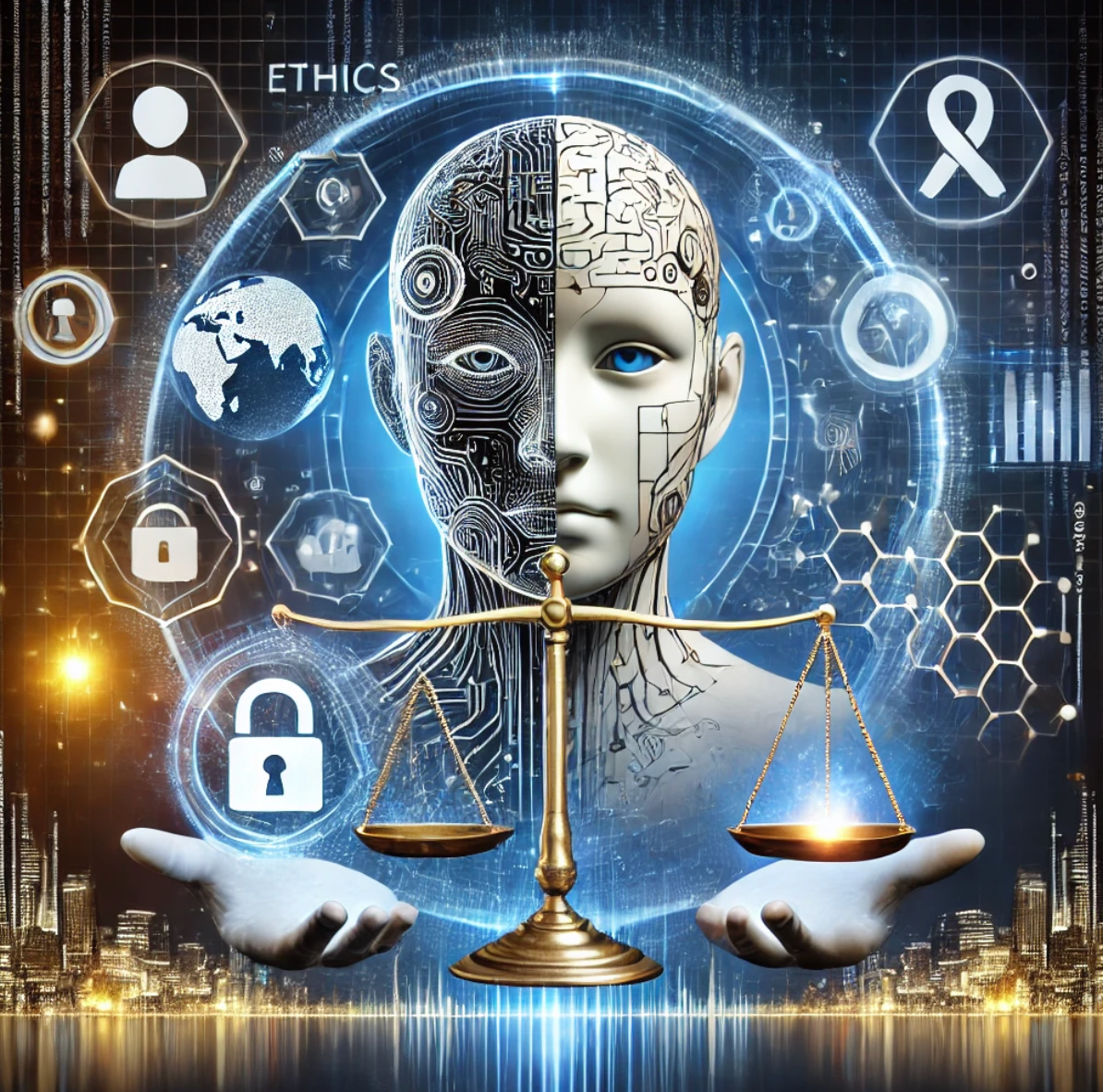
Transparency, accountability, and human judgment are key principles. AI should support decision-making, not replace responsibility.
When used thoughtfully, AI remains a valuable tool rather than a hidden risk.
Disclosure:
This content was originally created by a human and refined using AI as a supportive tool. The concepts, perspective, and final review reflect human judgment, with AI used only to enhance clarity and flow.
Clear Thinking on AI